The Sandy Hill Assault on Salt Society’s call to action
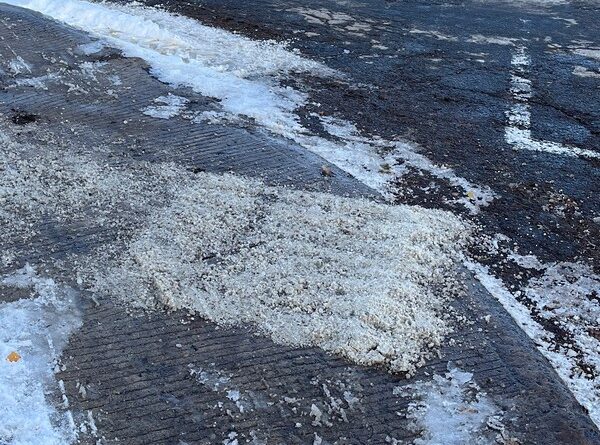
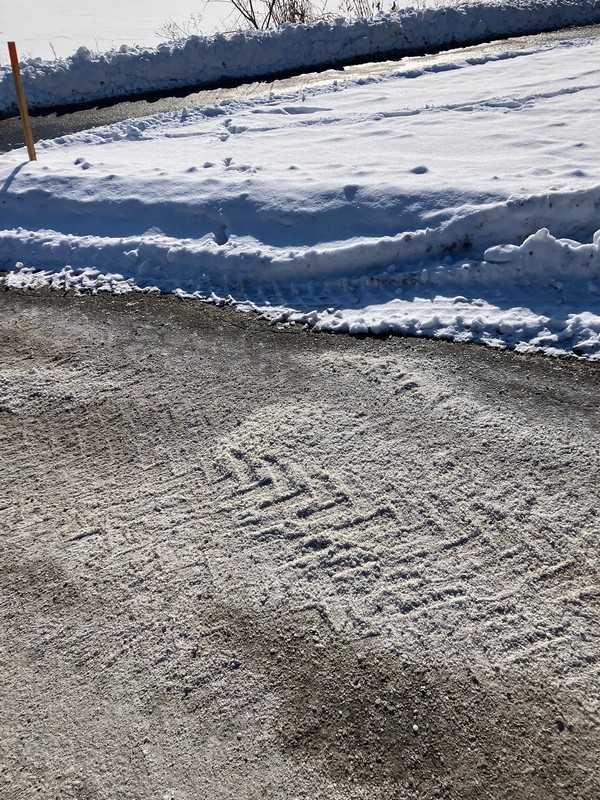
Winter is here again, when Ottawa streets are too often whitened by as much salt as snow. Road salt is intended to provide safety, but its overuse is causing serious damage to our infrastructure, streets, sidewalks, vehicles, clothing, parking garages and other structures, and, most important, our waterways. The rebuilding of the St. Patrick Street bridge is a good example of the alarming effects of salt damage on infrastructure.
A recent study by the Ottawa Riverkeeper examined 45 different streams around the city over a five-year period. It showed that only 10% of samples were within a safe level of toxicity while over 45% of sites suffered from acute chloride poisoning, killing aquatic life and destroying our ecosystem.
Other municipalities are finding alternatives to road salt. Montreal has significantly reduced the use of road salt; Winnipeg uses sand and grit instead; others use salt brine and even beet juice is effective in Sweden.
What can residents of Sandy Hill do?
1) sign the Ottawa Riverkeeper’s Road Salt Reduction Pledge at https://ottawariverkeeper.ca/sign-the-road-salt-reduction-pledge/. This site includes a link to the Five Year Report on Road Salt Monitoring in the National Capital Region.
2) Report the overuse of salt, for example clumps and dumps, to 311 and our councillor, ideally with photos.
3) Consider joining our circle of concern in Sandy Hill. We meet to review research on the problem and to develop ways to raise awareness of this serious threat to our ecosystem. Contact us for further information at saltinottawa@gmail.com.
— Andrew Johnston, Jane McNamara and Judy Rinfret (a.k.a. The Sandy Hill Assault on Salt Society, SHASS)
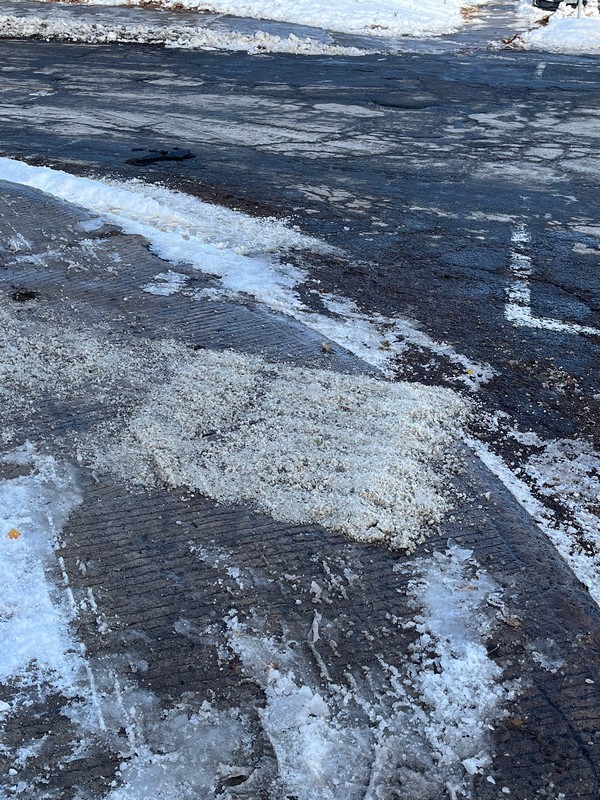
Photo: Christine Aubry