Tips for responsible bird feeding this winter season
Gabrielle Dewalt
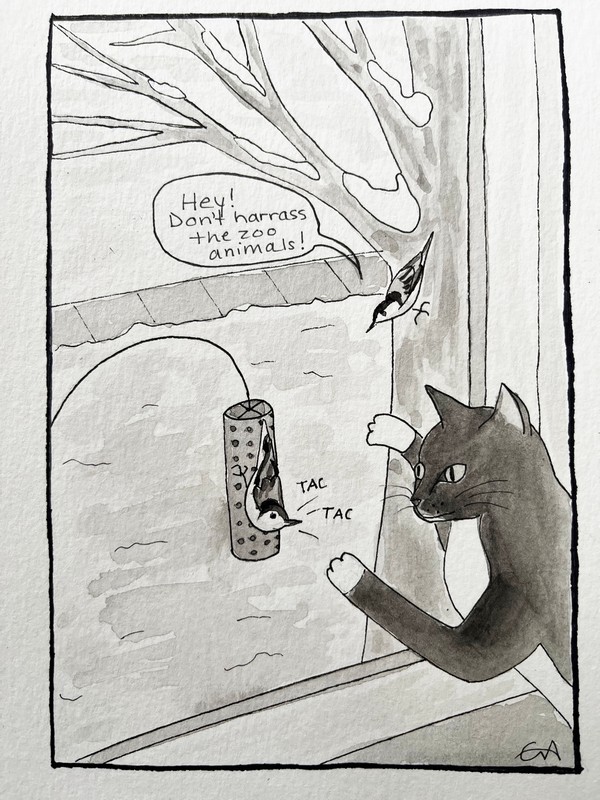
Bird feeders have recently become a controversial topic in Ottawa: a City councillor recently proposed that all bird feeders be banned in Ottawa, because the seeds attract too many rats. The National Capital Commission has declared that no bird feeders will be allowed on NCC property this upcoming winter season, reason being that bird feeders change the behaviour of birds, who become dependent on them, and that feeders can promote mould growth and transmit diseases to the bird population. This has left me questioning whether we should reconsider putting up our bird feeder this winter, a difficult proposition considering the great joy watching birds has brought me over the years.
Despite the arguments against bird feeders, I believe that by following a few good practices, they can continue to have a place in our backyards and provide much joy.
Keeping rats away
About ten years ago, my household faced a fairly serious rat infestation; we would sometimes see groups of four or five rats below the feeder happily munching on dropped bird seed! We successfully mitigated this problem by moving the feeder away from garbage and compost bins and only putting the bird feeder up during the winter months, when birds have a limited food supply. To provide birds with food throughout the year, we planted native plants with seed crops.
Keeping the birds healthy
If you decide to put up a bird feeder, it is very important to clean it regularly to prevent contamination from mould and bacteria. The Cornell Lab of Ornithology, which runs Project FeederWatch, recommends cleaning your bird feeder with soap and hot boiling water or by soaking it in a diluted bleach solution for ten minutes. If you put up a hummingbird feeder in the summer, be aware that it needs to be cleaned every two to five days.Ê
Preventing window strikes
Window strikes are another potential issue, which can result from incorrectly placed feeders. According to the Cornell Lab, you should either place your bird feeder within one metre of the window, or alternatively, nine meters away or more; when a bird feeder is within one metre of your window, birds cannot gain enough momentum to hurt themselves if they strike the window when leaving the feeder. Cornell Lab also recommends using decals such as dots on your windows to prevent strikes.
Finally, let’s address the belief that birds can become too dependent on feeders and face starvation if the food source is taken away. Nature Canada, a nature conservation charity and supporter of bird feeder use, argues that this is not the case and that birds simply incorporate feeder visits into their routine.
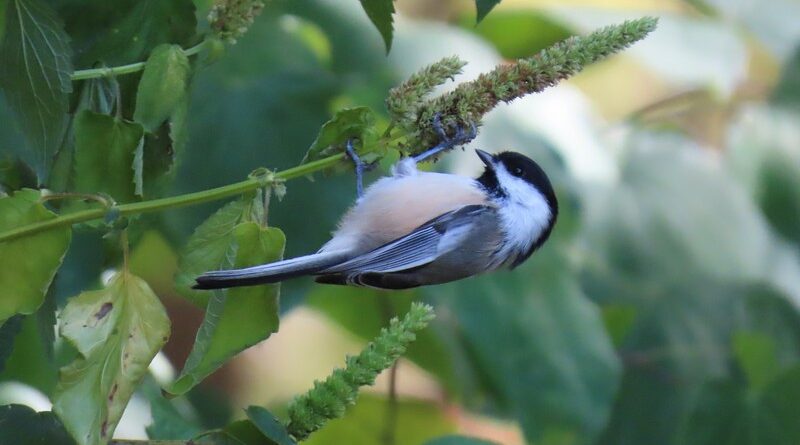
Watching and feeding birds can provide countless hours of pleasure and promote an appreciation of the natural world. So, go ahead! Put up your bird feeder! Feed the charming chickadees, the colourful cardinals and the upside-down nuthatches! This year my husband and I will try something new and hang our freshly sterilized feeder within one metre of our porch window. I can’t wait to see what feathery friends we attract this year as we watch from the warmth of our cozy house.
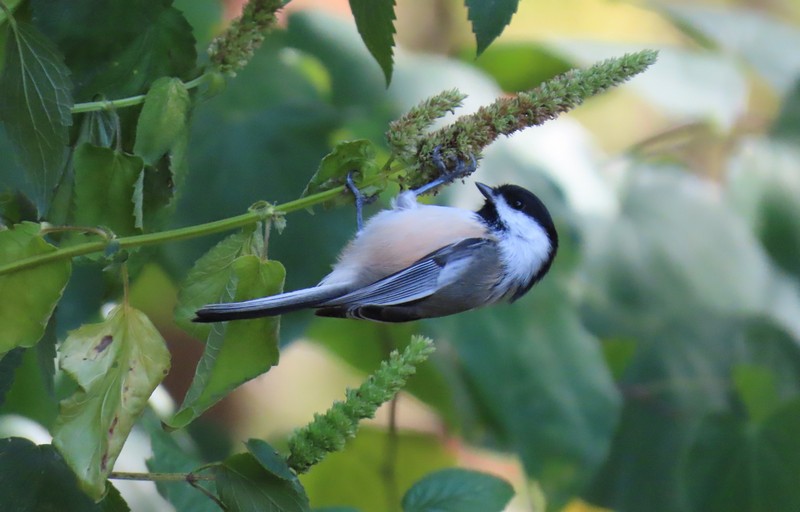
Photo: Gabrielle Dewalt